GI Endoscopy · 1 min read
How to close a large defect even if you do not have anchor-pronged clips?

MEMBER ARTICLE
A recent study published in UEGJ showed the efficiency of closing large defects using an anchor-pronged clip. However, not everybody around the world has this clips available in their unit.
[membership level="0"]Continue with EndoCollab membership.
Get the full article plus the complete EndoCollab library of courses, cases, classifications, and practical teaching resources.
A recent study published in UEGJ showed the efficiency of closing large defects using an anchor-pronged clip. However, not everybody around the world has this clips available in their unit.
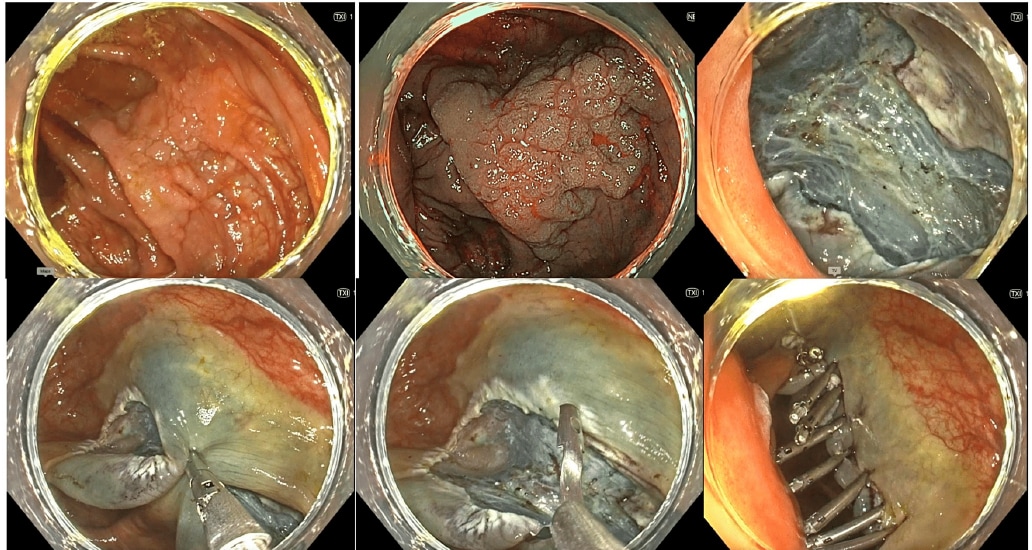
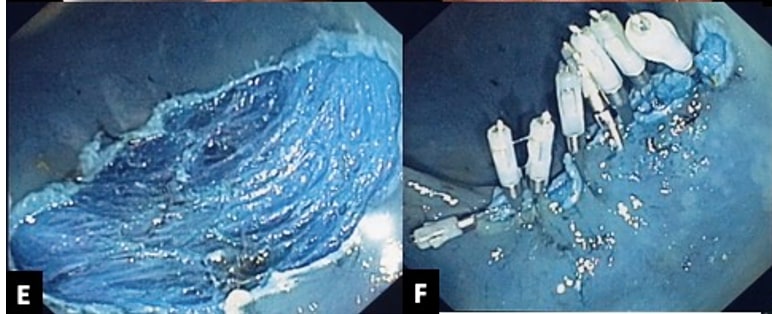
In my experience one can close almost any large defect with any types of clips, as long as one utilizes logical closing method, starting from the edges and not in the center of the defect.
Here is our technique:
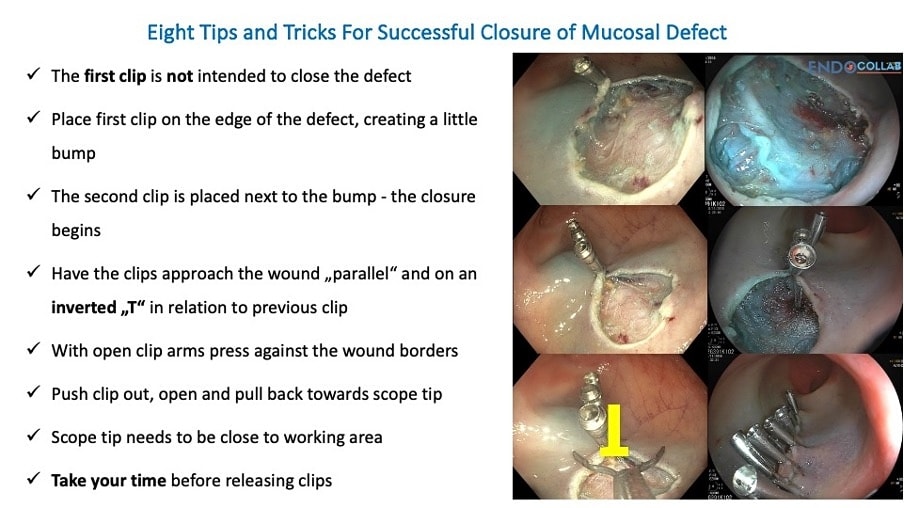
The first clip is not intended to close the defect
Place first clip on the edge of the defect, creating a little bump
The second clip is placed next to the bump - the closure begins
Have the clips approach the wound „parallel“ and on an inverted „T“ in relation to previous clip
With open clip arms press against the wound borders
Push clip out, open and pull back towards scope tip
Scope tip needs to be close to working area
Take your time before releasing clips
For your teaching file
Save this article as a PDF
Drop your email and we'll open a print-ready version you can save as a PDF — and you'll start getting our weekly GI endoscopy newsletter.